
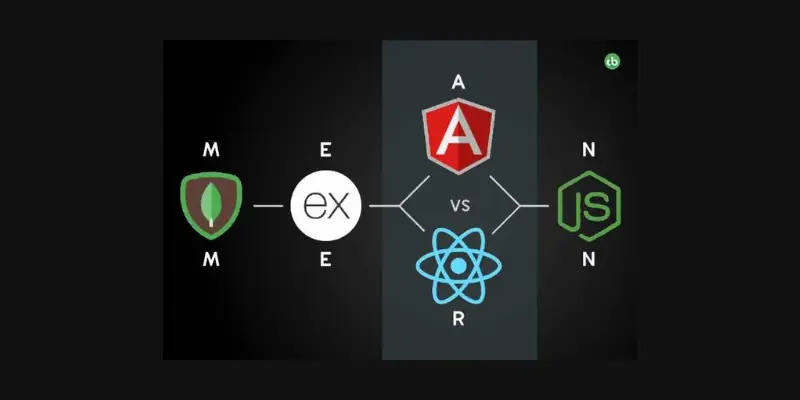
In today’s fast-paced digital landscape, optimizing the performance of web applications is paramount for delivering a seamless user experience. For developers working with the MEAN Stack (MongoDB, Express.js, Angular, Node.js), there are specific strategies and best practices that can significantly enhance the performance of their applications. Let’s delve into these optimization techniques to ensure your MEAN Stack app runs smoothly and efficiently. Individuals with aspirations to master this stack can tap into its immense potential by enrolling in top-notch MEAN Stack Training in Chennai offered by FITA Academy.
- Code Minification and Bundling: One of the first steps in optimizing a MEAN Stack application is to minify and bundle your code. Minification reduces the size of your JavaScript, CSS, and HTML files by removing unnecessary characters like whitespace and comments. Bundling combines multiple files into larger bundles, reducing the number of HTTP requests required to load your application and improving load times.
- Client-Side Caching: Implementing client-side caching can dramatically improve performance by storing static assets like images, stylesheets, and scripts locally on the user’s device. This reduces the need for repeated downloads and speeds up the rendering of your application.
- Server-Side Caching: Utilize server-side caching mechanisms to cache frequently accessed data or API responses. This reduces the workload on your server and improves response times for subsequent requests from users.
- Database Indexing: In MongoDB, indexing is crucial for optimizing database performance. Indexes help speed up query execution by allowing the database to quickly locate relevant data. Identify frequently queried fields and create indexes accordingly to boost database performance. MEAN Stack Online Training focuses on enhancing expertise in Express.js, empowering developers to create highly efficient and high-performance web applications.
- Optimized Images: Compress and optimize images to reduce their file size without compromising quality. Use modern image formats like WebP and leverage tools like ImageMagick or online services for automatic image optimization.
- Code Profiling and Performance Monitoring: Regularly conduct code profiling and performance monitoring to identify bottlenecks and areas for improvement. Use tools like Chrome DevTools, Lighthouse, and server-side monitoring tools to analyze and optimize your application’s performance.
- Gzip Compression: Enable Gzip compression on your server to compress response data before sending it to the client. This reduces the size of transferred data and speeds up page loading times, especially for text-based content. Joining a reputable Software Training Institute in Chennai can open up exciting career opportunities and keep you ahead in the industry.
Developers can ensure that their MEAN Stack applications deliver exceptional speed and responsiveness. They achieve this by implementing optimization techniques and continuously monitoring performance metrics to enhance user satisfaction. Optimizing performance is an ongoing process that requires attention to detail. It also requires a proactive approach to addressing performance challenges as they arise.