
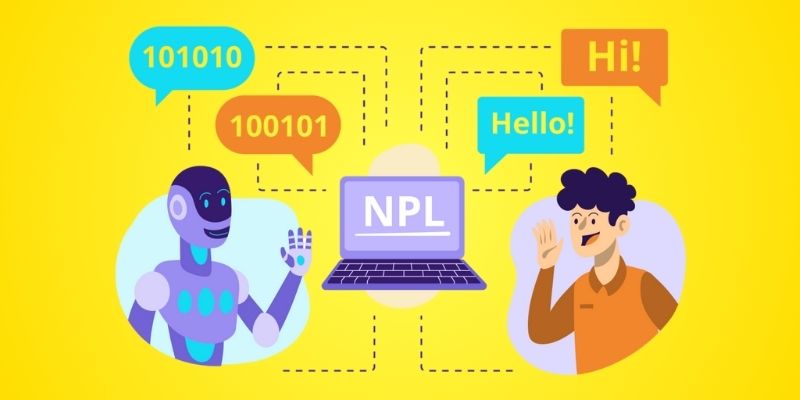
Chatbots are now part of our daily digital interactions. Whether you’re asking a question on a website, getting help through a mobile app, or chatting with a virtual assistant, you’re likely communicating with a chatbot. But what makes these bots seem so human? The answer lies in a powerful field of artificial intelligence called Natural Language Processing (NLP).
If you’re curious about how this technology works and want to learn more, enrolling in an AI Course in Kolkata at FITA Academy can be a great way to build a strong foundation in NLP and other AI-related skills. The blog focuses on how Natural Language Processing (NLP) helps chatbots comprehend and respond to human language in a natural and engaging manner.
What Is Natural Language Processing?
An area of artificial intelligence that focuses on giving machines the ability to read, comprehend, and produce human language is called natural language processing. Unlike programming languages, human communication includes slang, sarcasm, emotions, and irregular grammar, making it harder for machines to interpret.
NLP gives computers the methods and resources they need to successfully handle these complexities. NLP gives chatbots the ability to comprehend user input and provide insightful responses.
Understanding Human Input
The first step in any chatbot conversation is understanding the user’s input. NLP helps chatbots break down human sentences into manageable parts. This process involves identifying the structure of the sentence, spotting keywords, and understanding the intent behind the message. For those interested in learning how this works in depth, many AI courses in Delhi offer hands-on training in NLP techniques and chatbot development.
For example, if a user says, “I need help booking a ticket,” the chatbot uses NLP to recognize the action “booking” and the object “ticket.” It also understands that the user is asking for help rather than just making a statement.
This understanding is essential because users might say the same thing in different ways. Some may ask, “Can you help me reserve a seat?” while others might say, “I want to buy a ticket.” NLP allows chatbots to interpret these different phrases as having the same core meaning.
Generating Human-Like Responses
Once the chatbot understands the user’s message, the next step is to generate a response that sounds natural. NLP enables chatbots to move beyond rigid templates by generating more personalized and context-aware replies.
Good chatbots use NLP to adjust their tone, style, and structure of replies. If a user is frustrated, the chatbot may respond in a more empathetic tone. If the conversation is casual, it may reply in a friendly and informal way.
This ability to personalise responses helps create a more human-like interaction. It also builds trust, as users feel the bot is truly “listening” to them rather than simply repeating scripted lines.
Context and Conversation Flow
Another way NLP supports human-like chatbots is by managing context. Real conversations involve back-and-forth exchanges, and users may refer to something they said earlier. NLP allows chatbots to keep track of the conversation history and understand references to earlier messages. If you want to master these advanced NLP techniques, joining an AI Courses In Gurgaon can provide valuable hands-on experience and insights.
For instance, if a user first says, “I’m looking for a hotel in New York,” and later adds, “Does it have free Wi-Fi?” The chatbot understands that “it” refers to the hotel previously mentioned. Without NLP, a chatbot would struggle to connect these dots and could give irrelevant answers.
Preserving the context in a conversation is among the biggest obstacles in designing chatbots, and natural language processing is essential for addressing this issue.
Improving Over Time
With the support of machine learning, NLP-powered chatbots learn from interactions. Through machine learning, they recognise patterns and improve their understanding of language over time. This continuous learning process helps chatbots become more accurate, responsive, and human-like with each interaction.
As chatbots process more data, they refine their ability to handle unusual questions, different accents, typos, and even humor. This learning capability sets them apart from basic scripted bots that can only follow fixed rules.
Natural language processing is the reason why modern chatbots can hold conversations that feel almost human. From interpreting language and understanding intent to generating thoughtful responses and remembering context, NLP powers every step of the chatbot experience.
We can expect chatbots to become even smarter and more conversational as NLP technology continues to develop. For businesses, this means better customer service. For users, it means faster and more natural digital interactions.
Whether you’re asking a chatbot about your order or having it recommend a product, NLP is working behind the scenes to make the exchange feel just like talking to a real person.
Also check: What Role Does AI Play in Personalized Marketing?